|
Canada Robotics International
Independent · Non-profit |
| CRI Brief · No. 1 · October 2026 |
The robots are real. The export layer is not. |
 |
|
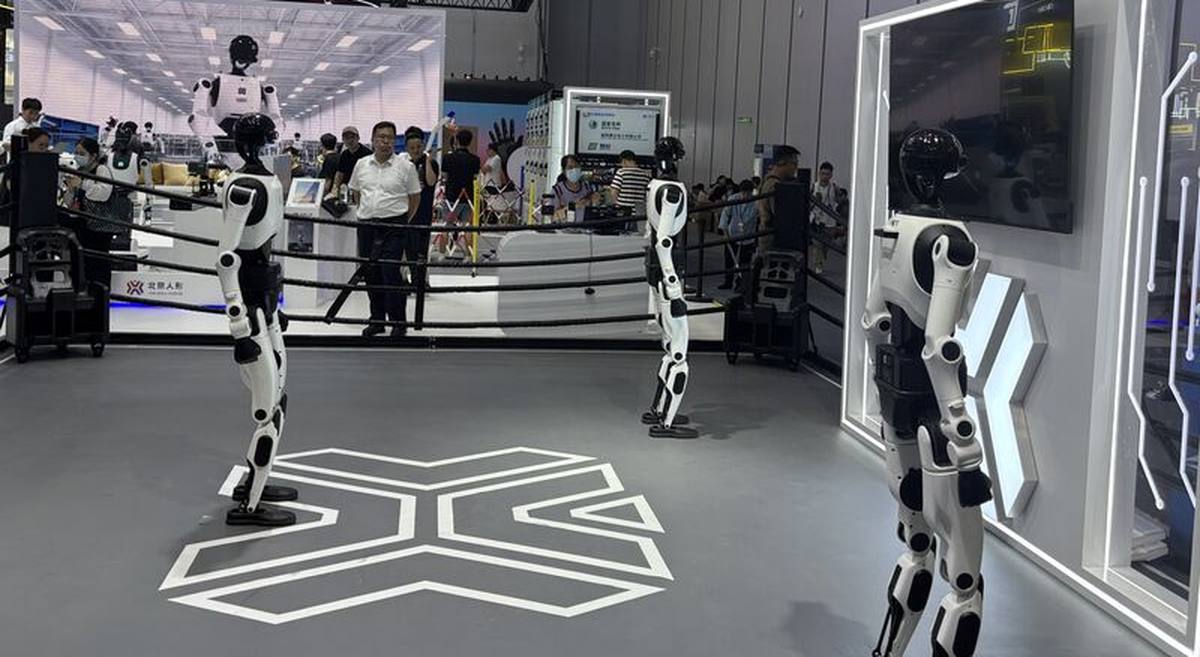
Welcome to the first CRI Brief. In August I walked the floor of the World Robot Conference in Beijing for a week, talking to manufacturers, professors and the heads of national robotics associations. One conclusion stuck: China has built the capability, fast and at scale, but almost nobody independent is translating it into decisions that a hospital, a ministry or a UN logistics office can act on. That is what this brief is for. One email a month: what moved, what is real, what to ignore.
|
|
300+
humanoid robot makers in China |
15-20%
with a product you can buy and deploy today* |
0-45°C
operating range on most spec sheets. Indoor only. |
*Estimate by Kuan Yang, formerly Strategy Director at AgiBot.
|
What we saw
Specialists are the story. One company builds only the hand. Another only the tendon. Another only the skin. RobotEra's dexterous hand drew crowds of its own. China's lead is not one champion; it is a supply chain of hundreds of specialists feeding dozens of integrators in Beijing, Shenzhen, Shanghai and Hangzhou.
|
Market signal
Unitree's listing. Priced at 150.80 yuan, it opened at 1,100 (+629%) and closed its first day at 845 (+460%), about US$50bn, or roughly 857 times earnings. Oversubscribed more than 8,000 times. By early September it had given back about 40% of that close, still more than three times the IPO price. Capital is pricing a future the spec sheets do not yet support.
|
|
|
|
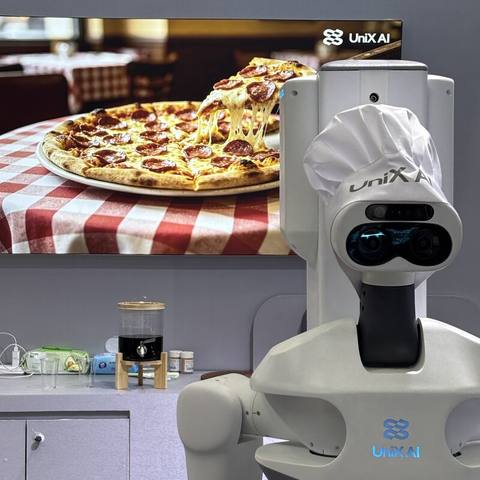
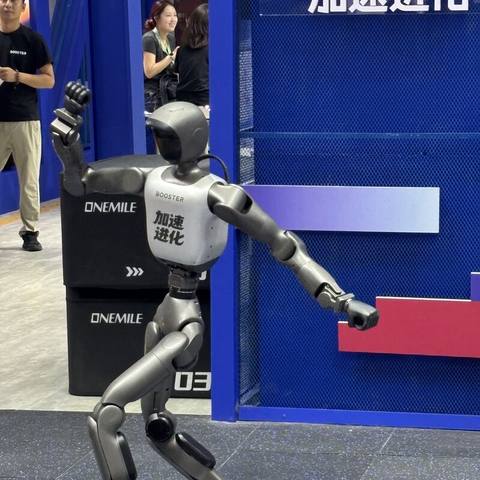
| Kitchen, bar, stage. Service robots were the most deployable machines on the floor, and the most practical were often not humanoid at all: two arms on a wheeled base, no legs, about half the price. Photos: CRI, WRC Beijing 2026. |
The gap nobody has closed
Almost every spec sheet we collected read 0-45°C, indoor, flat dry floor. A warehouse interior runs 10 to 15 degrees above outside air. Juba runs close to 38°C in the dry season, which puts a warehouse well past 45°C. Kabul averages minus 4°C at night in January. The robot stops working at both ends, and the spec sheet does not say so in a way a procurement committee will notice. Closing that gap, in the open, is CRI's job.
|
Reader question
“Why do robots need to look human, when most tasks just need an arm?”
The human form is a bet on generality. Our buildings, stairs and shelves are made for people, and video of people is the largest training set there is. But where the task is fixed, a dedicated arm wins on cost and reliability every time. Our rule: humanoid where the environment cannot change, specialised where the task does not.
|
CRI news
Incorporated. CRI became a federal not-for-profit on 25 September 2026, corporation number 1827020-1.
Advisers wanted. We are looking for country advisers, from Nepal to Ghana, and an independent reviewer for our assessments.
Independent by design. No manufacturer money for assessments, sponsors named, register of interests published.
Next stop: Tunis, October.
|
|
| If this was useful, forward it to one colleague who buys, funds or regulates technology. Questions, corrections and robots you want us to look at: reply to this email or write to support@canadaroboticsinternational.org. |
Advit Nath
President and Chair, Canada Robotics International |
|
| Published by Canada Robotics International Institute, corporation no. 1827020-1. Subscribe free · Canada Robotics International · 14 Heatherdale Drive, Brampton, Ontario L7A 2H6, Canada |
|